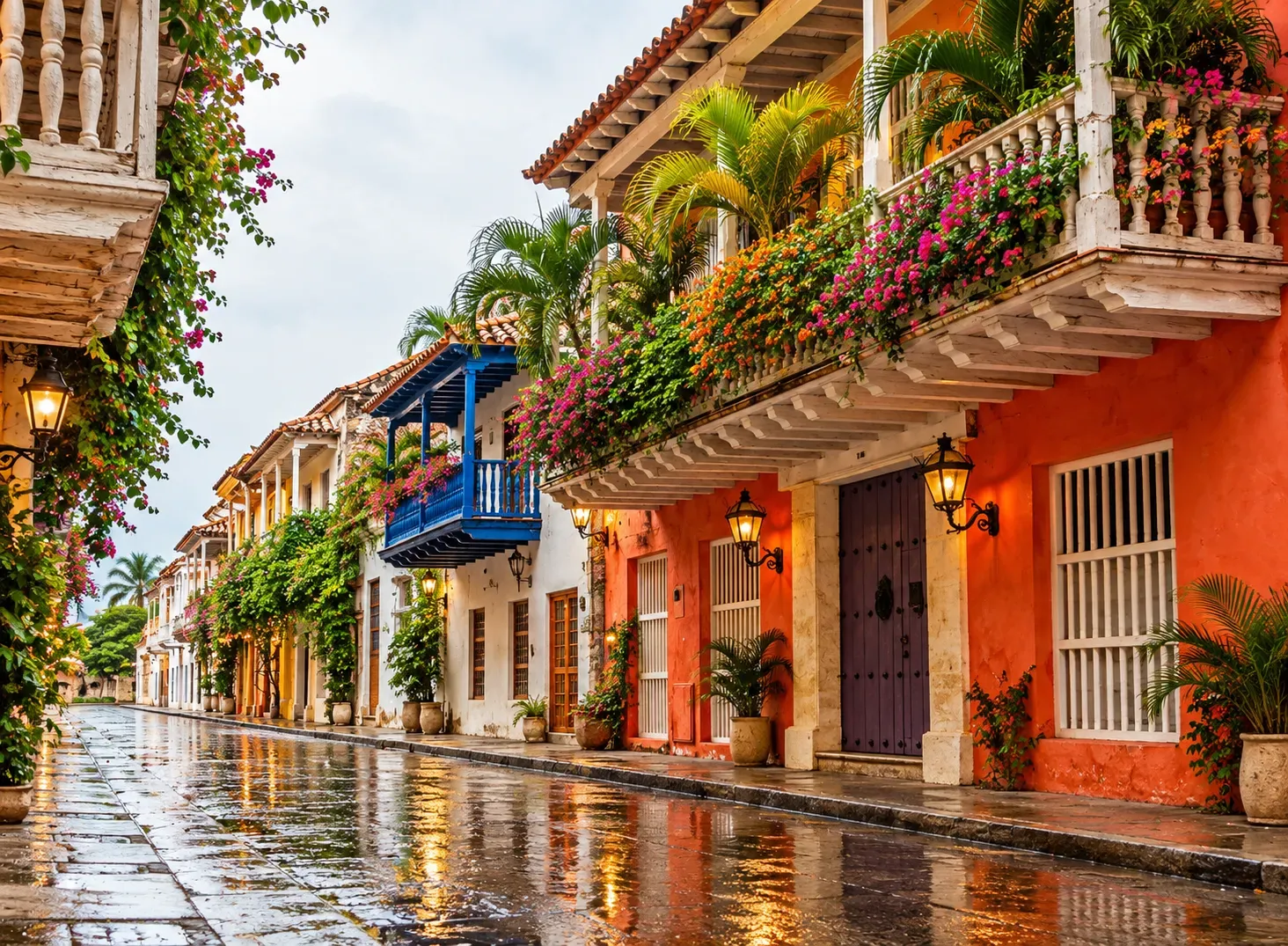
Drive through most neighbourhoods, and you'll spot the houses that stand out for the wrong reasons. Too many colours competing on one façade or a palette that felt trendy for exactly one season. The houses that actually look elegant stick to two or three well-coordinated exterior home colours and let the architecture do the talking. Let’s go through 10 colour combinations worth considering for a sophisticated look, while also understanding how to choose and apply the colours.
It's tempting to think a more elaborate palette signals more effort, but exteriors work the opposite way. A restrained scheme, one dominant wall colour with one or two supporting shades for trims and details, gives a façade a sense of order that a busier palette rarely achieves.
This matters even more while designing a small Indian house with exterior colour combinations, where fewer competing colours can make the structure look larger.
| Combination | Visual Effect | Best Suited For |
|---|---|---|
| White and grey | Clean, crisp, contemporary | Modern minimalist homes, box-style architecture |
| Cream and brown | Warm, classic, welcoming | Traditional homes, farmhouses, homes with wood accents |
| Beige and charcoal | Sophisticated, grounded contrast | Homes with flat façades and sharp lines |
| Off-white and olive green | Earthy, calm, nature-adjacent | Homes with gardens or greenery, Scandinavian-leaning designs |
| Greige and white | Balanced, versatile, timeless | Almost any architectural style, especially compact urban homes |
| Soft blue and white | Airy, fresh, classic coastal | Homes with arches, balconies, or traditional detailing |
| Warm sand and black trims | Polished, modern, understated | Homes with clean lines and minimal ornamentation |
| Ivory and natural stone | Elegant, textured, upscale | Homes with stone cladding or feature walls |
| Taupe and white | Neutral, refined, quietly stylish | Homes wanting a soft contemporary look |
| Warm grey and cream | Sophisticated yet approachable | Homes that want warmth without going fully earthy |
A few of these deserve a closer look, since the right pairing depends heavily on your home's structure and surroundings.
Even a two-colour palette needs a plan for where each shade goes. A common, reliable approach:
This structure keeps the overall look cohesive while still giving each architectural feature, such as columns, balconies, window surrounds, a sense of definition rather than blending into a flat wall of colour.
An exterior colour combination for Indian homes rarely exists in isolation. A few fixed elements should shape the final choice rather than be worked around after the fact:
A shade that looks elegant on a paint chart doesn't always translate the same way onto a full exterior. A few practical realities worth factoring in:
| Factor | What to Know |
|---|---|
| Sunlight | Direct sun can make colours appear lighter and slightly washed out outdoors compared to how they look on a swatch |
| Dust and pollution | Lighter shades show dust and grime faster; mid-tone neutrals like greige or taupe hide it better |
| Weather exposure | Homes facing heavy rain or strong sun need weather-resistant exterior paints such as acrylic or emulsion |
| Maintenance | Darker colours can fade faster with UV exposure, meaning more frequent touch-ups over time |
| Light vs dark shades | Light colours expand a façade visually; dark colours can make a home feel more compact and grounded |
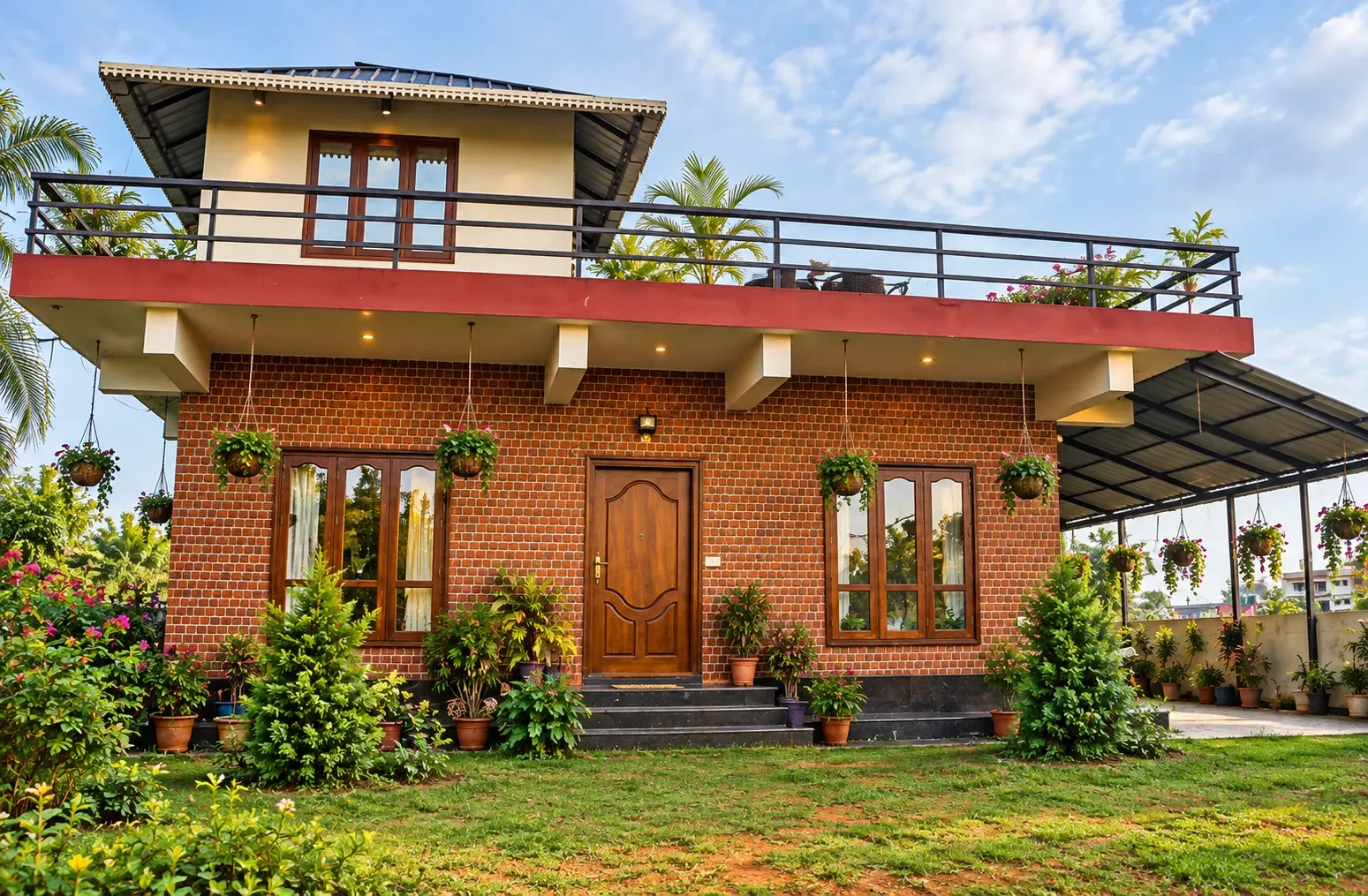
Choosing the right exterior home colours involves more than picking two shades that look good together. It means factoring in your roof, your cladding, your neighbourhood's surroundings, and how the palette will actually hold up through sun, dust, and rain over the years.
Bonito Designs works with homeowners through this entire process, from understanding your home's architecture and existing materials to helping you shortlist combinations that will genuinely suit your façade.
If you're planning a repaint or refresh, reach out to Bonito Designs for guidance that goes beyond the colour chart.
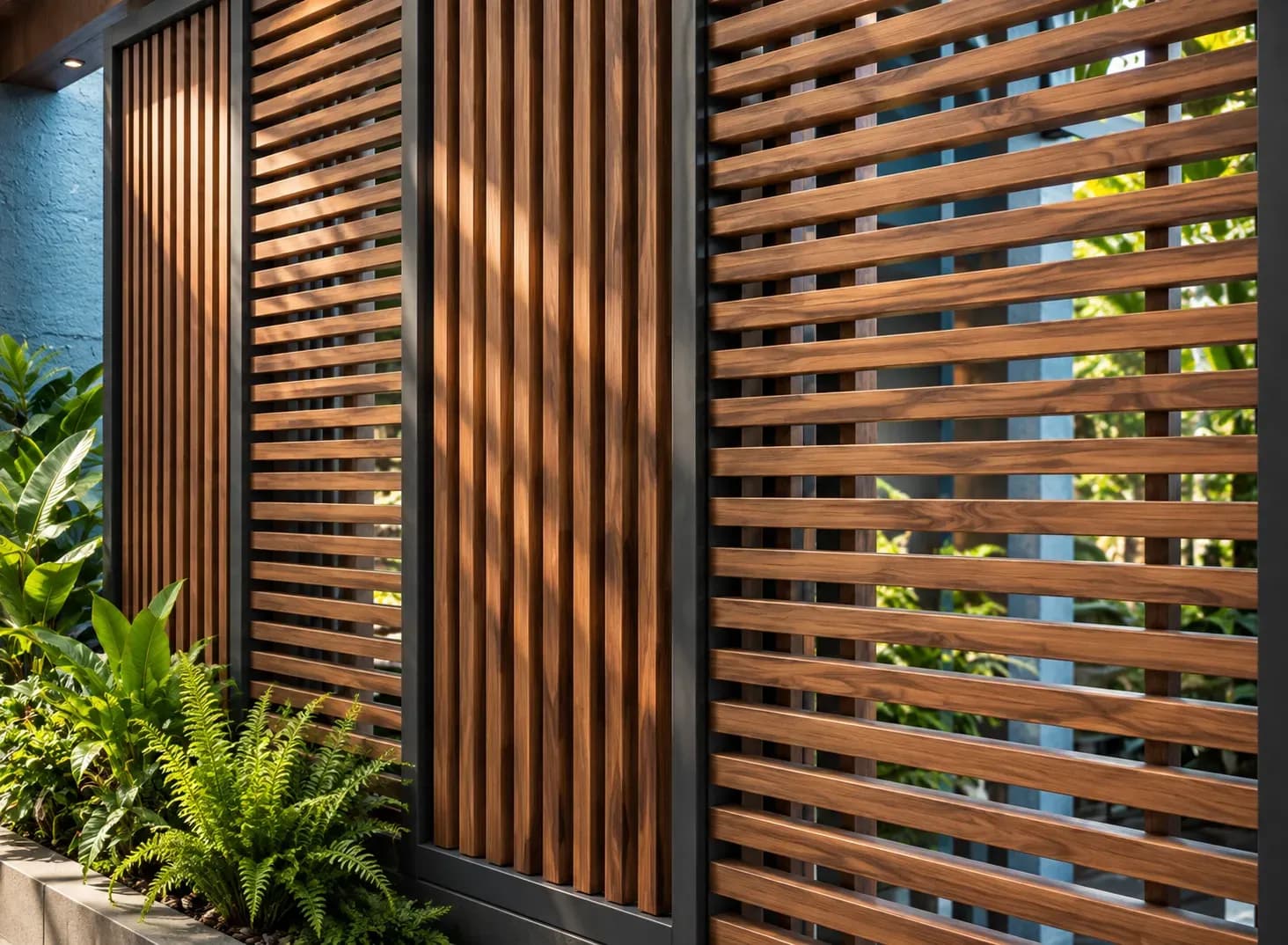
Wooden partitions are a practical way to create distinct living, dining, work, and study zones in modern Indian homes without constructing permanent walls. Designs such as slatted panels, open shelving, jali patterns, and floor-to-ceiling dividers combine functionality with visual appeal. A professionally planned wooden partition can improve privacy, storage, light flow, and the overall usability of an open-plan home.
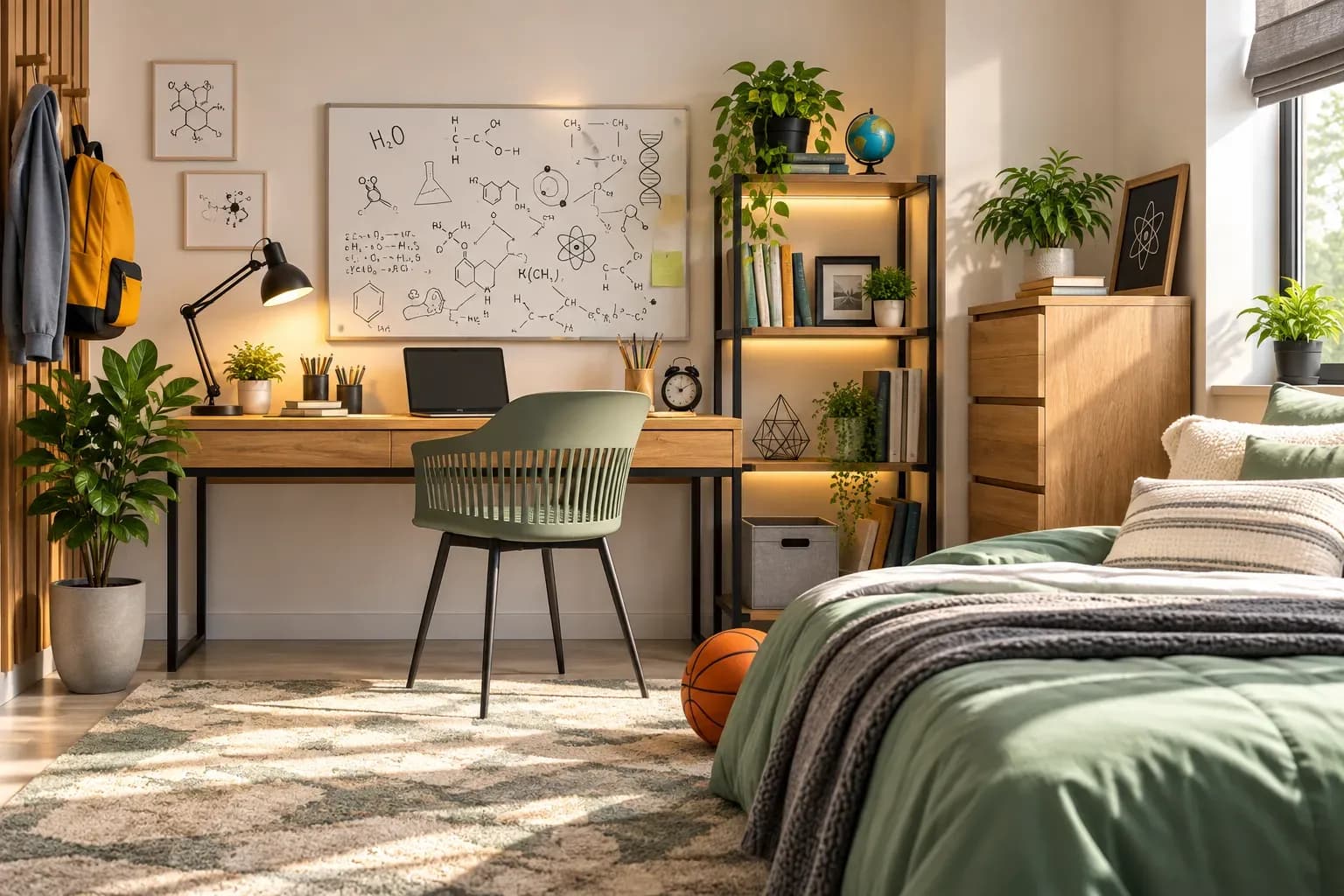
25 Sep 2026|5 min readThe best direction to study, according to Vastu, is generally east or north, while northeast is also considered highly auspicious for a study setup. However, direction should work alongside practical factors such as natural light, ventilation, ergonomic seating, and an uncluttered desk. If the ideal Vastu orientation isn't possible, prioritising a comfortable, distraction-free study environment can still support better focus and productivity.
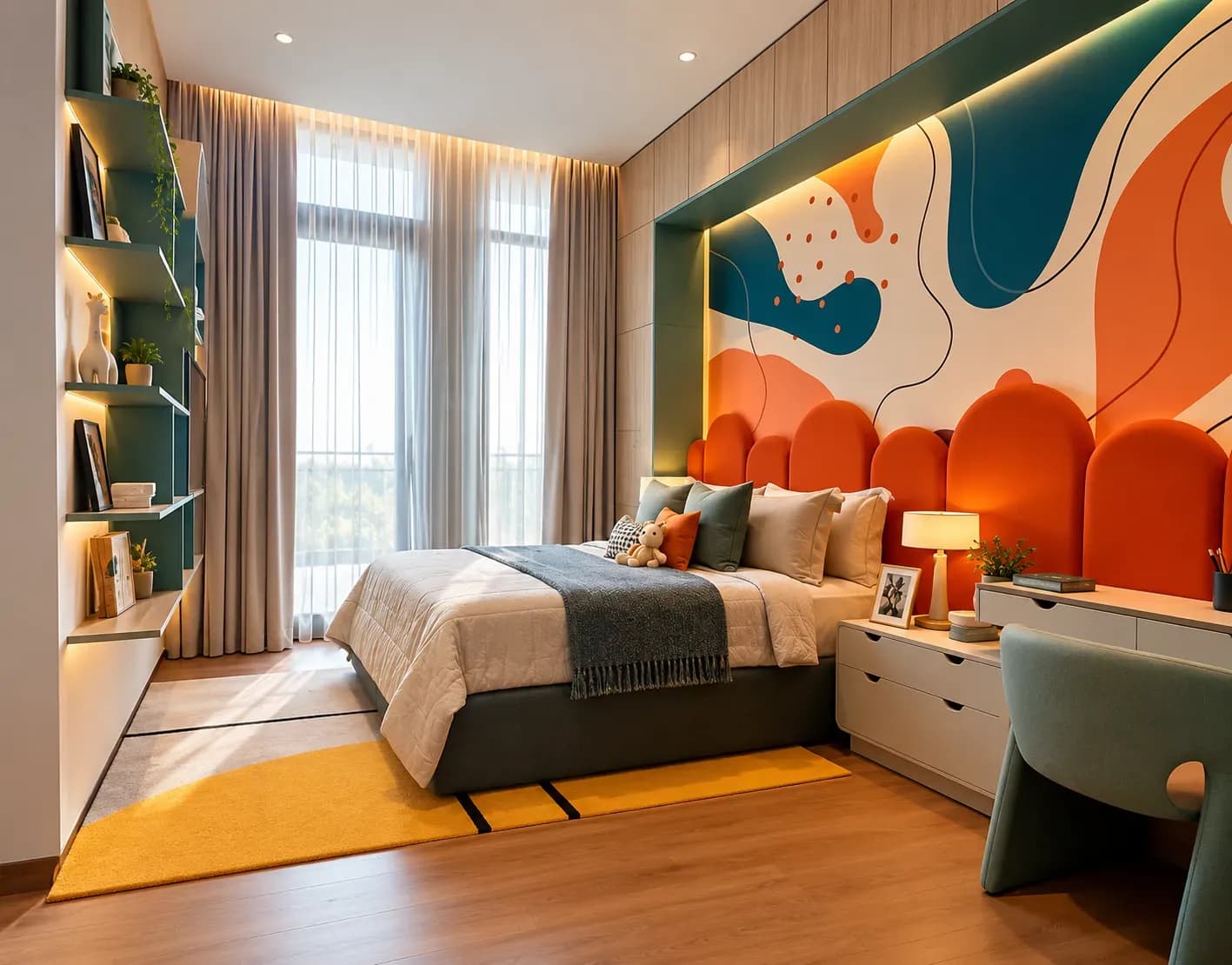
25 Sep 2026|5 min readA well-planned boy’s room design should seamlessly combine sleeping, studying, and storage, especially in compact urban homes. Smart study-table placement, task lighting, multifunctional furniture, and organised storage help reduce clutter and improve daily routines. Flexible furniture and simple colour schemes also allow the room to evolve as a child grows.
25 Sep 2026|5 min read


Your Home Makeover Starts Here.