A craft session gives children more to do than colour inside a prepared outline. They choose materials, work out how pieces fit together, change their minds and find ways to fix mistakes. The finished object becomes evidence that their idea could take shape.
Simple DIY projects can support kids’ creativity while giving parents and children time to talk and make decisions together.
Hands-on projects ask children to imagine an outcome and work towards it. They practise planning, problem-solving, patience and fine motor control along the way. When parents allow room for experimentation, children also learn that several workable answers can solve the same problem.
Meaningful creativity for kids comes from making choices rather than copying an example exactly. Show them the basic method, then let them select the colours, characters and details.
Choose a project that suits the child’s age, attention span and ability to use tools. Cover the table, keep a damp cloth nearby and arrange materials in shallow trays so that everything is easy to see.
For manageable kids’ creative activities at home, use washable, child-safe supplies wherever possible. Adults should handle craft knives, hot glue, drilling, sealants and difficult cutting. Watch younger children closely around beads, stones and other small pieces.
Parents wondering how to make kids creative may be tempted to plan every step. Instead, prepare the safe parts in advance and leave the visual decisions to the child.

This DIY project uses recyclable materials and encourages kids’ creativity to continue after the craft session, as children can observe birds and record them in their notebook.
Smooth stones can become paperweights, shelf decorations, story characters or markers for potted plants.
Painted rocks make creativity for kids approachable because an imperfect shape can inspire the design. A long stone might become a crocodile, while a round one could turn into a planet.
A miniature garden gives children a small world they can arrange, name and change over time.
Along with supporting kids’ creativity, the project gives children a small responsibility. They can water the plant and rearrange the scene as their story develops.
Old packaging can become useful storage for pencils, crayons and craft tools.
This DIY project gives you more storage and allows your children to explore their creative side.
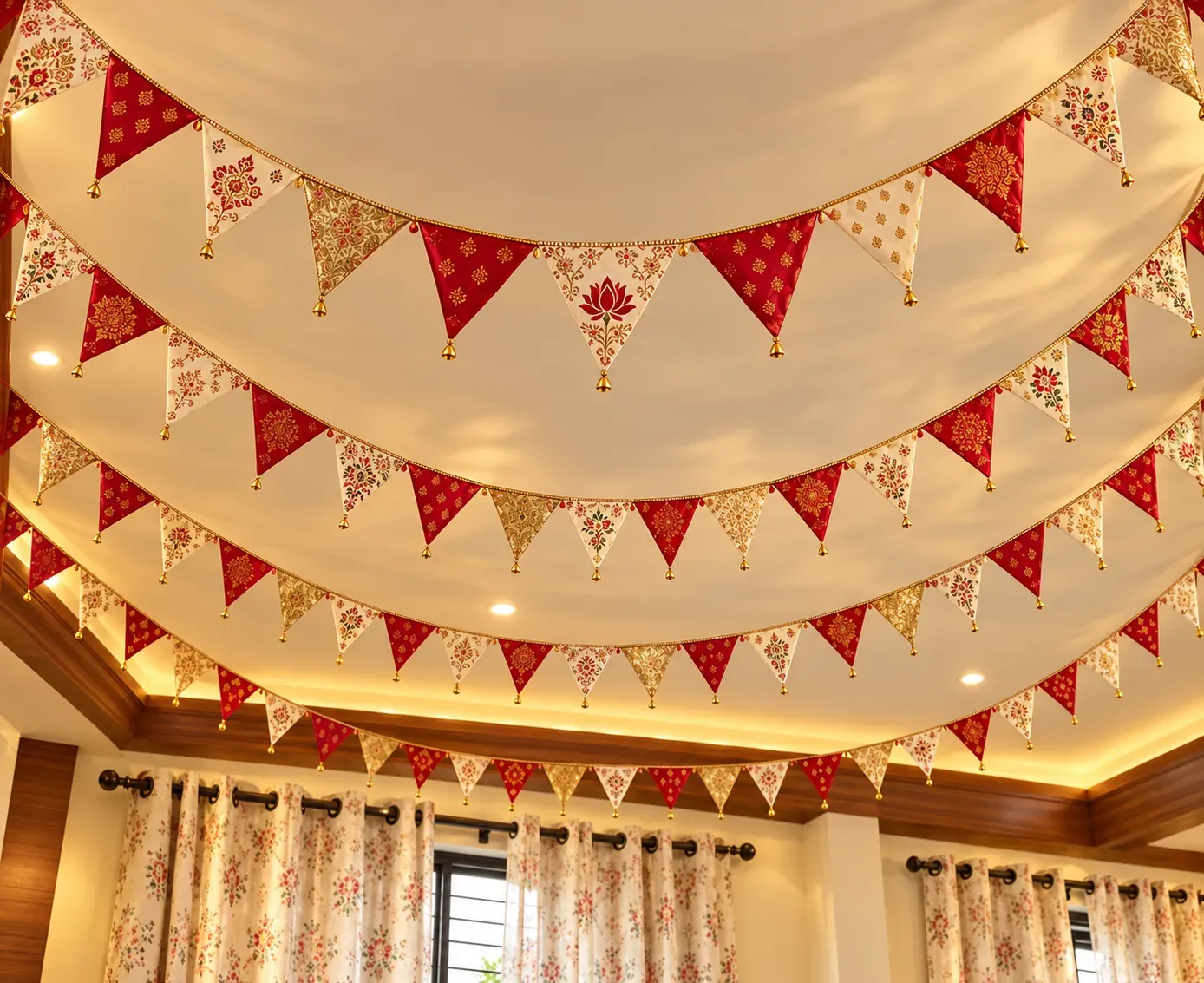
A child can decorate their own room without changing the furniture or painting a wall.
Projects like this give kids’ creativity a visible place in the room and allow the decoration to change as their interests do.
A finished craft feels more meaningful when you use or display it. The bird feeder can go on a balcony, painted stones can sit beside books, and the fairy garden can occupy a bright shelf. The organiser belongs on the study table, while bunting can define a reading or play corner.
Displaying creativity for kids does not require covering every wall. Give the child one shelf, clip rail or noticeboard and rotate the work periodically. Let them decide what stays on display and what moves into a labelled memory box.
Bonito Designs’ LifeDesign approach considers where and how children draw, build, read and store their belongings. A compact Mumbai bedroom may benefit from a fold-down craft surface and accessible drawers. In a Bangalore home, a shared family area might include a washable table, display ledge and storage that several children can use.
Designing for kids’ creativity means making materials easy to reach while keeping sharp tools and messy supplies safely separated. It also means leaving parts of the room open to change instead of committing every wall to permanent decoration.
Book a consultation to create a family home where children have practical space to make, display and feel proud of their own work.
Top interior design for homes in Mumbai and Bangalore needs to respond to different space, lifestyle, and layout requirements. Mumbai homes often benefit from compact furniture, smart storage and lighter palettes, while Bangalore homes may allow greater flexibility with traditional, contemporary and luxury elements. Across both cities, good design comes down to planning each room around daily routines, circulation, storage and comfort.
06 Oct 2026|5 min readGanesh Chaturthi decoration ideas work best when you plan the pooja area first, and the rest of the décor follows a consistent theme. Thoughtful use of backdrops, flowers, layered lighting, fabrics and vertical elements can create a festive setting without overwhelming the room. In compact homes, existing furniture and wall space can help maintain clear circulation. Reusable decorations also make the celebration more sustainable and easier to recreate each year.
06 Oct 2026|5 min readThe right type of kitchen layout can make everyday cooking, storage, and movement much more efficient. From straight and L-shaped kitchens to island, parallel, U-shaped, open, and galley layouts, each option suits different spaces and routines. The best choice depends on room size, number of users, storage needs, appliance placement, and circulation.
06 Oct 2026|5 min readTop interior design for homes in Mumbai and Bangalore needs to respond to different space, lifestyle, and layout requirements. Mumbai homes often benefit from compact furniture, smart storage and lighter palettes, while Bangalore homes may allow greater flexibility with traditional, contemporary and luxury elements. Across both cities, good design comes down to planning each room around daily routines, circulation, storage and comfort.
06 Oct 2026|5 min readGanesh Chaturthi decoration ideas work best when you plan the pooja area first, and the rest of the décor follows a consistent theme. Thoughtful use of backdrops, flowers, layered lighting, fabrics and vertical elements can create a festive setting without overwhelming the room. In compact homes, existing furniture and wall space can help maintain clear circulation. Reusable decorations also make the celebration more sustainable and easier to recreate each year.
06 Oct 2026|5 min readTraditional Kerala house designs combine rain-resistant architecture with distinctive elements such as sloping roofs, verandahs, courtyards, timber detailing, and natural materials. These principles can be adapted for modern homes in Bengaluru and Mumbai through better ventilation, shaded openings, warm materials, smart storage, and courtyard-inspired green spaces. Rather than recreating an ancestral home, the goal is to reinterpret Kerala design to suit contemporary urban lifestyles.
05 Oct 2026|5 min read


Your Home Makeover Starts Here.